
A practical comparison of the UK's two most-specified commercial frontage materials — covering cost, durability, security, planning fit, and which sectors each suits best.
Published May 2026 · 7 min read
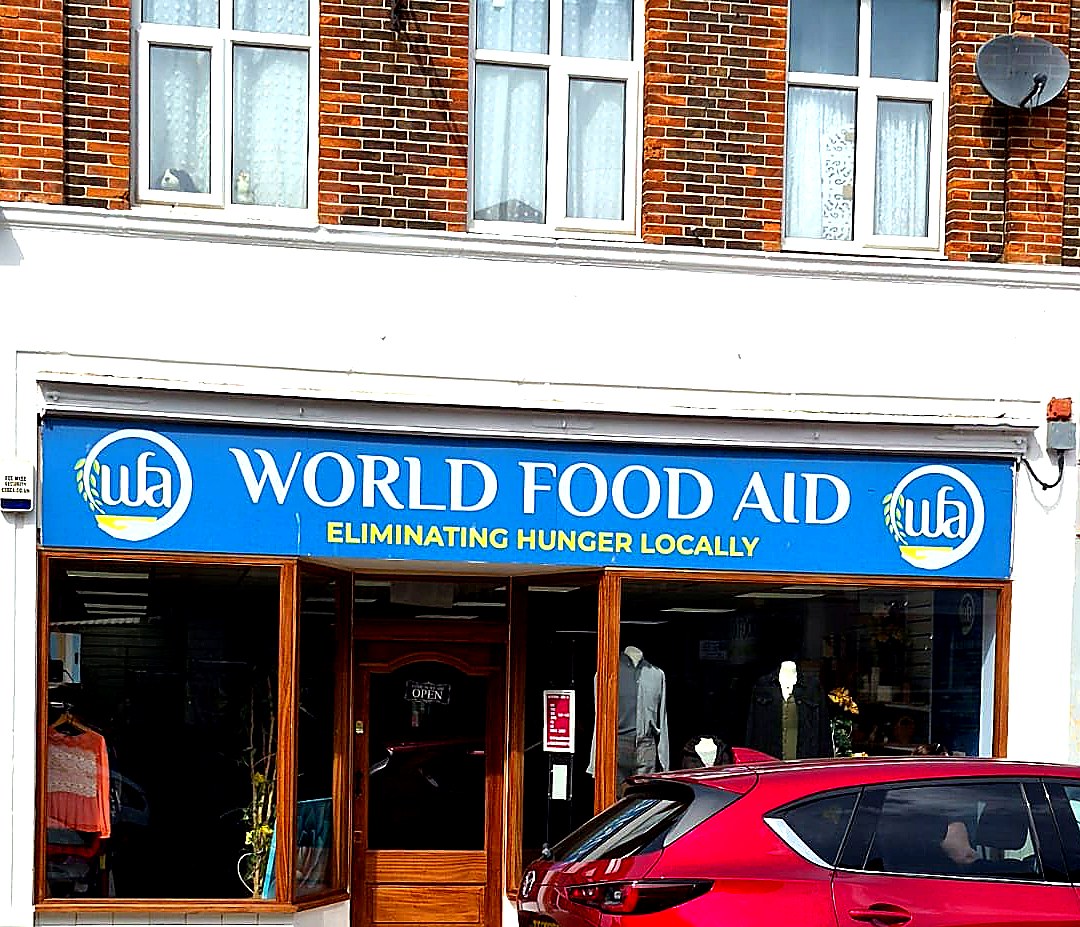
If you've narrowed your shopfront decision down to aluminium versus glass, you're looking at two genuinely different products — not two variations of the same thing. They have different costs, lifespans, planning implications and visual signals. This piece walks through the practical trade-offs so you can pick the right one for your sector and your premises.
Aluminium shopfronts use an aluminium frame as the structural element, with glass infill panels held in place by gaskets and rebates. Glass shopfronts (sometimes called frameless or minimal-frame) use the glass itself as the structural element, held by floor-mounted patch fittings and structural silicone. The visual difference is roughly: aluminium reads as commercial-modern, glass reads as showroom-premium. The cost difference is roughly 1.5x to 2x in favour of aluminium being cheaper.
| Factor | Aluminium | Glass |
|---|---|---|
| Typical cost (4-5m unit) | £3,500 – £8,500 | £6,500 – £15,000 |
| Lifespan (with maintenance) | 25–30 years | 25–35 years |
| Install time on site | 1 day typical | 1–2 days typical |
| Maintenance burden | Low — clean glass, occasional gasket check | Low — clean glass, silicone inspection every 5 years |
| Security rating options | PAS 24, LPS 1175 SR1–SR3 readily available | Limited — typically requires shutter overlay |
| Energy performance | Thermally-broken profiles meet Building Regs Part L | Harder to achieve thermal break without visible framing |
| Conservation area fit | Often acceptable in heritage colours | Rarely acceptable — too contemporary |
| Visual signal | Commercial, professional, durable | Premium, showroom, transparent |
Aluminium suits the vast majority of UK commercial premises — convenience stores, takeaways, professional offices, light industrial, multi-site rollouts, and any premises where the priority is durability and value rather than visual statement.
Specific situations where aluminium clearly wins:
Glass shopfronts make sense when the frontage is itself a marketing asset — the spec is the brand. The premium price buys two things: visual signal (it tells passers-by you're a serious operation) and pure transparency (no visible framing breaks the view of what's inside).
Specific situations where glass clearly wins:
If you're still undecided, work through these:
If a customer's first impression of your shop is partly formed by the materials and finish of the frontage itself, you're in glass territory. If the frontage is essentially functional — there to keep weather out and let people in — aluminium is the right answer.
Premises in higher-crime areas, anything with valuable stock, or tenants of insurers that require PAS 24 or higher will struggle to make pure glass work without adding shutters anyway. If shutters are going up, the visual benefit of glass largely disappears overnight.
If yes, neither aluminium nor glass may be permitted — you may be looking at hardwood timber instead. Even where modern materials are allowed in conservation areas, councils often require traditional proportions and colours that glass struggles to deliver. Check with the conservation officer before specifying.
Under £6,000 for a single unit: aluminium. £6,000–£10,000: aluminium with premium spec, or budget-end glass. £10,000+: either is realistic; choose on visual fit. £15,000+: glass is on the table without compromise.
"Glass shopfronts break easier." Not really. Both use toughened safety glass to BS EN 12150 — typically 10mm or 12mm in glass-led systems, 6mm or 8mm in aluminium-framed. If anything, the thicker glass in frameless systems is more impact-resistant. The actual failure mode for both is impact at the corners, where toughened glass is weakest, and that's about installation quality more than material choice.
"Aluminium looks cheap." Bad aluminium installations look cheap. Good aluminium with a properly specified profile, RAL-coloured powder coat finish, dimensional fascia signage and quality glass looks excellent. The aluminium-looking-cheap problem is almost always specification-cheap, not aluminium-cheap.
"Glass shopfronts are colder in winter." Modern frameless glass systems use double-glazed laminated units with low-emissivity coatings — energy performance is comparable to thermally-broken aluminium. The exception is older single-glazed glass shopfronts which are genuinely worse, but nobody specifies those new in 2026.
"Aluminium is louder when it rains." True if you have a metal roof above the frontage. False if the frontage is below a normal ceiling void. The acoustic difference between aluminium and glass at the frontage itself is negligible.
If you've decided on a material and you're getting quotes, the spec details that matter most:
If a quote doesn't specify these line-by-line, ask the installer to break it down before you compare.
Our surveyors can come out free of charge, walk through both options on your site, and follow up within 72 hours with written quotes for whichever specs you want to compare. Request a quote or call 0800 088 6248.
If you're still researching, our pricing guide covers 2026 UK shopfront costs across all materials.
Yes — many of the best-looking commercial frontages do exactly this. Slim aluminium framing with oversized glass infill panels gives you the visual benefit of glass at most of the cost benefit of aluminium. Ask your installer about hybrid specifications.
Thermally-broken aluminium is the more reliable choice for hitting Building Regs Part L for non-domestic buildings. Glass shopfronts can match it but typically require thicker laminated double-glazed units, which adds cost.
For acoustic insulation between street and shop, glass thickness matters more than the framing system. A 12mm laminated glass shopfront is quieter than a 6mm-glazed aluminium frontage because of the glass mass. Both can be specified with acoustic-laminated glass for noisy locations.
About the same. Both show fingerprints and rain marks. Aluminium powder-coated frames need occasional washing to stop dirt staining the finish; glass needs more frequent cleaning to look its best, but the difference is marginal.
For owner-occupied premium retail premises, yes — comparable rents support 10–20% higher valuations for glass-fronted units in the same parade. For tenanted commercial property, the picture is more mixed; landlords often refuse glass spec on the basis that the next tenant might want something else.
Free site survey, written quote within 72 hours, no obligation. UK-wide coverage from our Great Barr workshop.
Request a Quote