
What PAS 24 means for commercial shopfronts, who actually needs it, the cost premium over standard glazing, and how the higher LPS 1175 ratings work for high-risk premises.
Published July 2026 · 8 min read
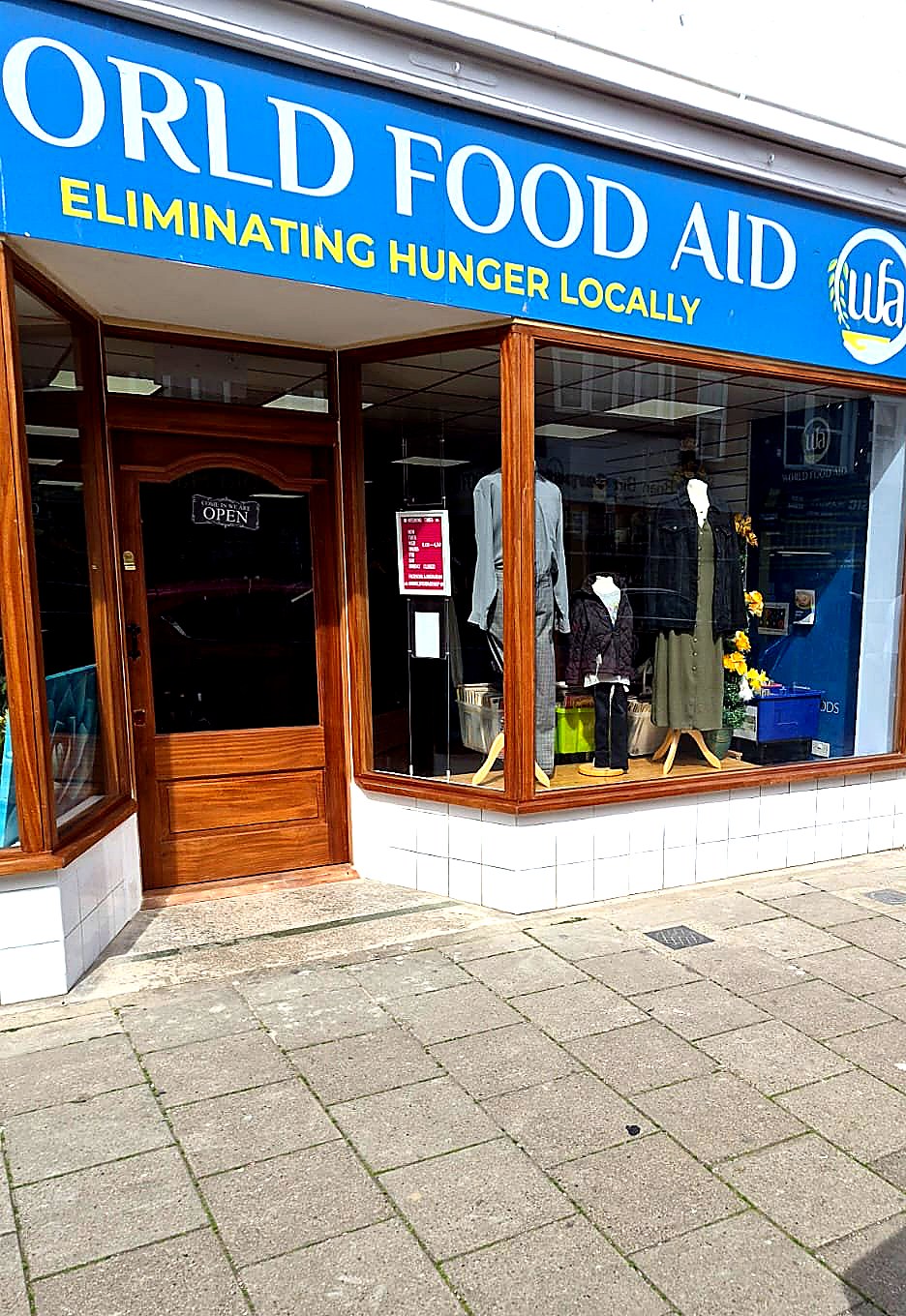
PAS 24 is one of those specifications that gets dropped into commercial property briefs without much explanation, and many shopfront buyers find themselves asked for it without knowing what it actually requires. This guide explains what PAS 24 means, when you need it, what it costs over a standard spec, and the more demanding LPS 1175 ratings used for higher-risk premises.
PAS 24 (Publicly Available Specification 24) is a British Standard for "enhanced security performance" of doorsets and windows. The current version is PAS 24:2022. To meet it, a doorset or window must pass a sequence of tests that simulate a manual attack by a determined intruder using common tools (screwdrivers, crowbars, lever bars, hammers).
The tests are deliberately not destructive — PAS 24 isn't trying to certify that a doorset is unbreakable. It certifies that the doorset will resist a competent attacker for long enough that the attempt is likely to be abandoned or detected. In practice, that's about 3 minutes of focused attack with hand tools.
The most common reasons a shopfront ends up specified to PAS 24:
Approved Document Q applies to all newly-built dwellings in England and Wales. It requires "easily accessible" doorsets and windows to meet PAS 24:2022. For new commercial buildings, Part Q does not apply — but for mixed-use developments (flats above shops), the residential element triggers it and architects often specify PAS 24 across the whole frontage for consistency.
Many commercial insurers — particularly for premises with valuable stock (jewellery, watches, electronics, pharmacy, alcohol) — require either PAS 24 certification or LPS 1175 SR2 minimum as a condition of cover. Without this, premiums rise sharply or cover is refused entirely. Always check your insurance schedule before specifying.
Most local authorities specify PAS 24 in tenders for council-owned commercial premises being let or refurbished. If you're fitting work for a council tenant or a council-owned unit, this is standard.
Banking-sector security standards typically require LPS 1175 SR2 or above as standard, with PAS 24 as the absolute minimum.
If the premises has been broken into before, your insurer may require PAS 24 as a condition of continued cover. Sometimes this is added at renewal as a surprise — check your renewal letter carefully.
PAS 24 is a doorset and window specification. It tests the assembled product — frame, glass, lock, hinges — as a complete unit. It does not test:
For a fully effective security system, all elements need to be specified together — doorset, frame fixings, adjacent glazing, shutter overlay if used, and the wall structure itself.
For a standard 4–5m commercial frontage, the rough cost premium for PAS 24 specification:
The premium covers:
Where PAS 24 isn't enough, the next standard is LPS 1175 (Loss Prevention Standard 1175), published by the Loss Prevention Certification Board (LPCB). This is graded by Security Rating — SR1 (low) up to SR8 (extreme). For shopfronts, the practical range is:
| Rating | Resists | Use case |
|---|---|---|
| SR1 | Bodily attack, basic tools, <1 minute | Domestic, low-value commercial |
| SR2 | Determined opportunist, hand tools, ~3 minutes | Standard high-risk retail, off-licences, pharmacies |
| SR3 | Skilled attack, more tools, ~5 minutes | Jewellers, high-value stock, banks |
| SR4 | Experienced attacker, power tools, ~10 minutes | Cash-handling, prestige retail, data centres |
| SR5+ | Extended attack, full toolkit including saws and grinders | Bank vaults, military, evidence stores |
Roughly, PAS 24 is comparable to LPS 1175 SR1 in attack resistance — both target the casual / opportunistic threat. SR2 is a step up; SR3 a serious step up; SR4 and above are specialist territory.
The jump from SR2 to SR3 is the largest because SR3 typically requires steel-reinforced framing, multi-layer glazing, and specialist fixings that genuinely change the construction approach.
Most retailers don't need PAS 24 or LPS 1175 at all. If you're in a low-crime area, with low-value stock, with insurance that doesn't require it, and you're not in a council-owned property, standard spec is fine. Spending £1,500 extra on PAS 24 for a sandwich shop is wasted money.
Where you do need it, get it right. Half-implementing PAS 24 — door rated but adjacent glazing not — is worse than not bothering. Either commit to the full spec or rely on shutters and alarms.
Get certification documentation. Insurance companies will ask to see the manufacturer's PAS 24 test certificate. Get this from your installer at handover and file it. Without it, the insurer may treat the work as standard spec regardless of what's fitted.
Consider shutters as an alternative. Internal collapsible grilles or external roller shutters provide overnight security with no impact on daytime appearance. For some premises, standard glazing plus a good shutter is more practical than PAS 24 specification.
The certification is for the product as manufactured — there's no expiry on a fitted doorset. However, manufacturers typically refresh certification every 3–5 years against the latest version of the standard, so a 2020 PAS 24 doorset may be technically PAS 24:2016 not PAS 24:2022. For most insurance purposes either is acceptable.
Generally no — PAS 24 certifies the assembled doorset as tested, not individual components. Replacing the lock or fitting reinforcement plates does not produce a PAS 24 doorset. Retrofitting requires replacing the doorset entirely.
For some insurers yes, for others no. Brokers can usually quote a comparison if you ask. For high-risk sectors (jewellery, off-licence, pharmacy) the saving on premium can recover the cost of PAS 24 within 2–3 years.
"Secured by Design" is a UK police-backed accreditation programme that uses PAS 24 (and other standards) as part of its specification. Achieving Secured by Design accreditation usually means meeting PAS 24 plus additional design requirements around layout, lighting and surveillance. SBD applies more to whole-development specifications than individual shopfronts.
Generally no. Roller shutters provide their own attack resistance (rated to LPS 1175 separately if certified). Most insurers accept either: PAS 24 doorset OR LPS 1175 SR2+ shutter system. Only the most demanding premises need both.
If you're not sure whether your insurance schedule actually requires PAS 24, or whether the cost premium is worth it for your sector, our surveyors can assess on site and walk through the trade-offs. Request a quote or call 0800 088 6248.
For broader pricing context, our 2026 UK shopfront cost guide covers spec premiums for security ratings, glass upgrades and other variables.
Free site survey, written quote within 72 hours, no obligation. UK-wide coverage from our Great Barr workshop.
Request a Quote