
Spring is the right time to plan shopfront work for the summer trading peak — here's a practical guide to refurbish-vs-replace decisions, lead times, and minimising disruption to your shop.
Published March 2026 · 6 min read
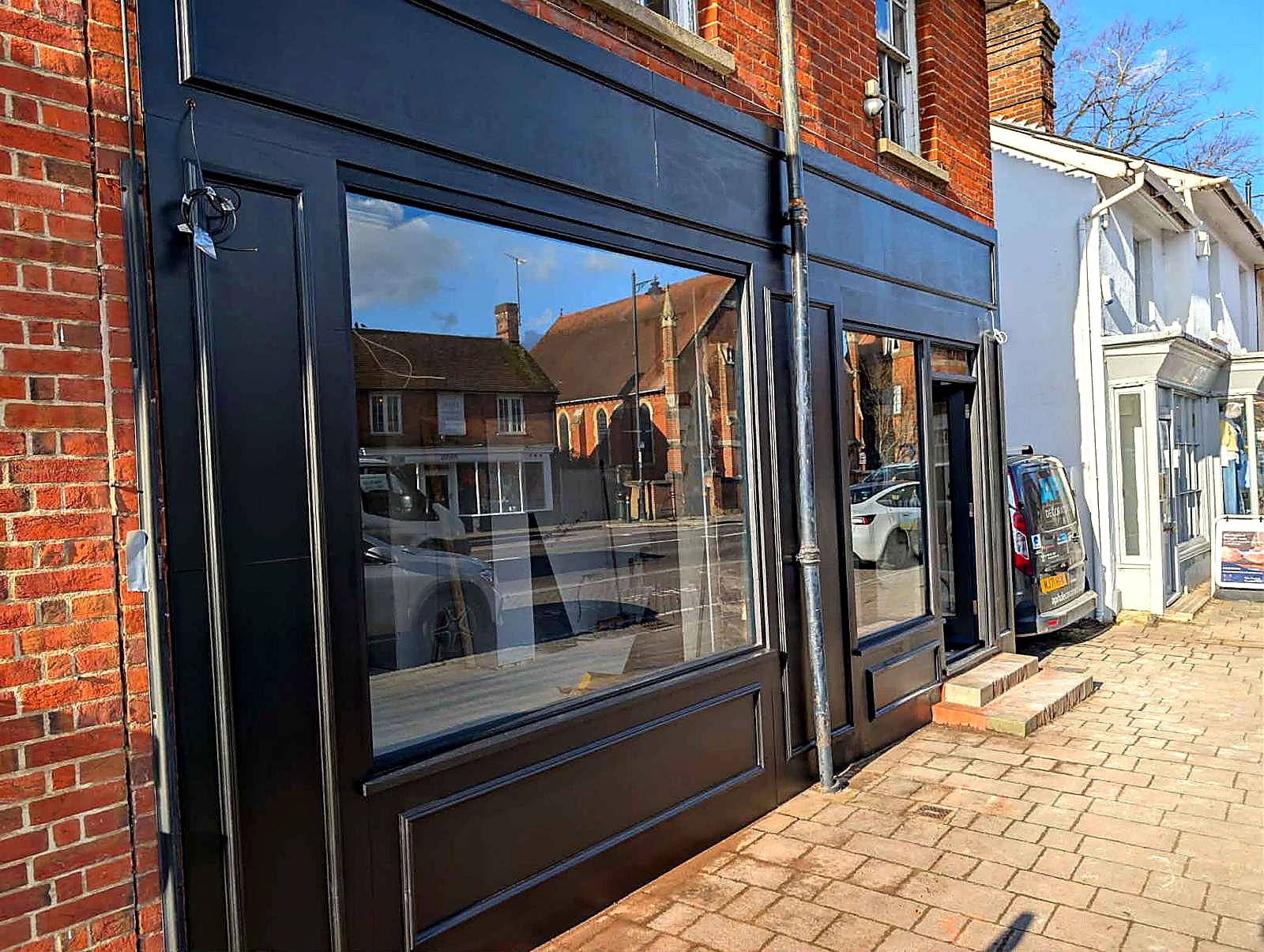
For UK retail, hospitality and tourism-facing businesses, summer is the trading peak that pays for the rest of the year. A tired shopfront in March means a tired-looking shop in July — when you most need to look sharp. This guide walks through the spring shopfront refurbishment decision and the realistic timing to get work done before the summer.
Not every tired-looking shopfront needs replacing. Sometimes a £1,500 refresh delivers what would otherwise cost £8,000+ in a full refit. The decision tree:
A full refurbishment without replacement, costing £1,500–£4,000 for a single retail unit:
The visual transformation is usually larger than the price tag suggests — a frontage that looks "10 years tired" can come back looking 12 months old after this kind of work.
For summer trading (assume Easter onwards as your peak start date), the realistic timeline is:
If you're going for full replacement rather than refurbishment, push the survey back to November/December so the install can happen in February — replacements have longer fabrication lead times (3–4 weeks) and you don't want the installer running into Easter.
The single biggest worry for most retailers is losing trading days during the work. The realistic options:
Possible for refurbishment (cleaning, paint, sign change) — fitters work around the customers, with some hours when they need clear space. The shop stays open. Best for businesses where peak hours are predictable (morning rush, lunch, evening).
Standard approach for medium-scale refurbishment. Pick the quietest day of the week (often Sunday or Monday for retail), close that day, work runs 7am–7pm, you reopen the next morning with the work done. Most installations of fascia signage, door hardware and glass replacement fit into a single day.
Used for full replacements where you need to maintain trading. Fitters arrive at 5pm or 6pm, work overnight, leave by morning. Premium of about 25–30% on the labour piece, but zero lost trading time. We do this regularly for high-trade locations.
For complex refits, splitting the work over two or three short visits (each 2–4 hours, scheduled around your trading) can keep disruption to under-30-minute periods. More expensive in total labour but minimal trading impact.
If you're going to refurb yourself or coordinate it with multiple suppliers, this is a useful list:
Generally no — repaint, clean, replace like-for-like, no consent needed even in conservation areas. The exceptions are:
For most non-listed, non-conservation premises, you can refurbish without any council involvement at all. Our planning permission guide covers the detail if you're unsure whether your premises is affected.
For a typical 4–5m retail unit, a £2,500 spring refurbishment will usually pay for itself within a single summer trading period through:
For premium and tourism-facing premises the lift is larger; for budget and convenience retail the lift is smaller but still worthwhile.
Our surveyors come out free of charge — for refurbishment work we can usually quote on the day. Request a quote or call 0800 088 6248. Spring slots fill up from February onwards, so the earlier the better.
Free site survey, written quote within 72 hours, no obligation. UK-wide coverage from our Great Barr workshop.
Request a Quote